An Erasmus+ Trainer at the “Facing Diversity” Course: Inclusive Education Strategies in Helsinki
An Active Yourope trainer attended the Erasmus+ course “Facing Diversity” in Helsinki on inclusive education strategies for disadvantaged learners.
The importance of social inclusion in education
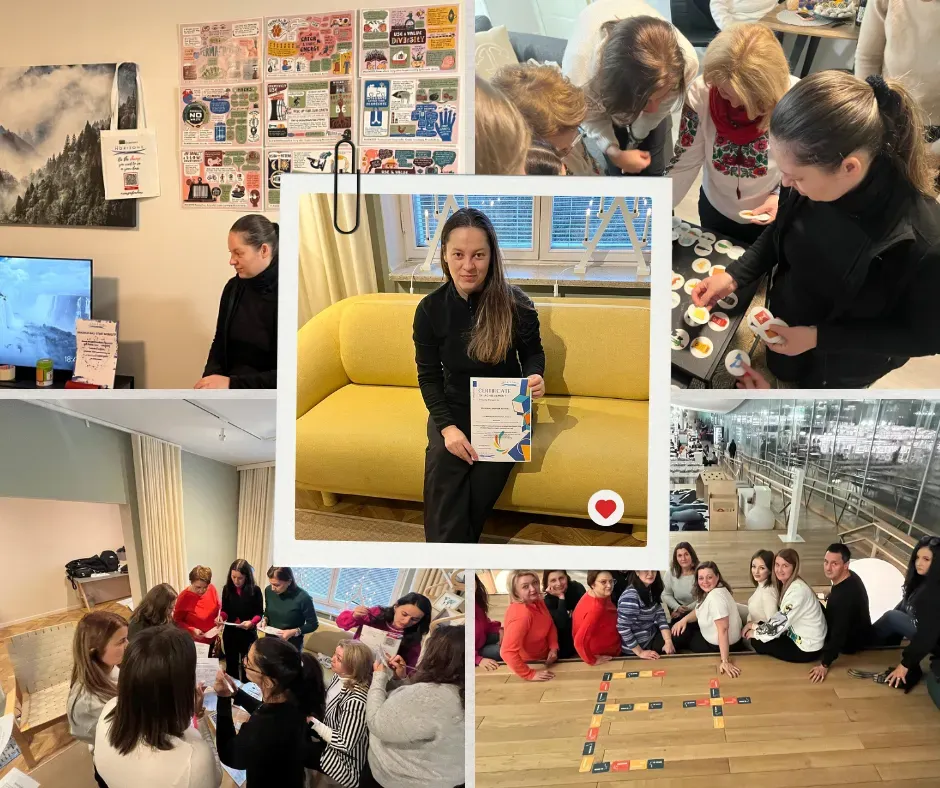
In the second year of Erasmus+ accreditation, a trainer from our association attended the course “Facing Diversity: Inclusive Education Strategies for Learners with Fewer Opportunities”, organised in Helsinki between 28 November and 2 December 2024. The main objective of this international mobility was to promote social and educational inclusion, giving participants tools and strategies to support learners from disadvantaged backgrounds.
Activities carried out during the course
- The introductory session and icebreakers - the mobility began with interactive “icebreaker” activities, designed to facilitate interaction between participants and create a friendly environment. The differences between exclusion and inclusion were discussed, with an emphasis on the relationship between culture and inclusive education.
- Non-formal education and empathy - participants explored non-formal education techniques, such as storytelling, to encourage empathy towards learners from disadvantaged backgrounds. Interactive exercises offered solutions for supporting those at risk of social exclusion, and concrete examples highlighted the challenges these learners face.
- Developing leadership skills - sessions dedicated to the Tuckman and Belbin theories helped participants understand group dynamics and manage diverse teams. Communication, active-listening and empathy skills were improved in order to create an inclusive educational environment.
- Boosting learner motivation - through experiential learning techniques such as the “carousel” method, participants learned to stimulate creativity and the active involvement of learners.
- Reflection and applicability - at the end of each day, participants reflected on how to adapt the knowledge gained to their own professional context.
Results and skills acquired
The experiences gained during the course contributed to:
- Promoting diversity and tolerance - participants learned to implement educational strategies that reduce the risk of social exclusion for learners from disadvantaged backgrounds.
- Increasing learner motivation - through the use of interactive and creative techniques, learners are encouraged to take an active part in the educational process.
- Managing diverse teams - the skills for managing heterogeneous teams were improved by applying theories about group dynamics.
Conclusion: The impact of taking part in international mobilities
Erasmus+ mobility programmes are a valuable resource for trainers, contributing to personal and professional development. Non-formal education techniques, promoting empathy and inclusion strategies are essential for creating a successful educational environment.
Implementing these methods in professional practice will improve the quality of education and support the integration of disadvantaged learners. We therefore recommend such initiatives to turn educational challenges into opportunities for growth.